The Little Things Which Make Me Happy

Have you ever wondered what those little things which make you happy are? Following is list of those little things which make me happy Waking Up Early Without Alarm: You know you have more time to finish things. Cuddling In The Bed: It feels great to cuddle in the bed waiting for the bed tea. Going for a Walk: You enjoy the beauty of the nature. Watching the sun rise and watching the birds going out of their nests fills you with joy. Deep Breathing: A 5-10 minutes of deep breathing fills you with positive energy. Touching the Feet of Parents: It’s a way of thank your parents for raising you well. Their blessings can make miracles happen. Smile by a Stranger: Smile breaks the barriers and you may get a friend for life. Give one and you may one. Playing with Kids: Reminds us of those golden days when we were kids. Aaloo Prantha with White Butter and Lassi: Nothing can be more delicious than Aaloo Prantha with white butter and a glass of lassi. Mouth watering and keeps you going for the day. Listening Stories From Elders: Elders love to tell their stories and these stories are full with their life experiences and can help you understand life easily. A Tight Hug From Your Little Ones: That’s what I call, “Unconditional Love.” To See Kids Smiling While Sleeping: What else could be happiness than watching kids smiling while they are sleeping? A Small Change in Your Routine: Makes you more exciting and try something new. Less Traffic on Roads: Heavenly feeling if you are a Delhite. And if you get all signal lights green then.. (No words can describe that feeling) Reaching Office Early: That head start which counts at the last. Storytelling To Kids: Ensures you are spending time with your kids and pass on the knowledge you received from your parents. Reading Your Favorite Book: Helps you understand so many things. Meeting Old Friends On The Go: Who else can remind of all those mischief and blunders? Finding Money in Old Jeans: May be that’s what we call magic! Food Cooked By Mother: Divine! Hugging Your Parents: Telling them whatever you are today and wherever you have reached, it’s only because of their hard work. To Listen Parents Childhood Stories From Their Friends: It’ll make you rolling over the floor laughing. And tell you how naughty/humorous they were at their young age. Spending Time With Old Buddies: Connect to your past. Spending Time Following Your Passion: For me it’s bird photography and playing Alghoza. It helps overcome anxiety and there are a number of lessons I have learnt from bird watching. Click here to learn lessons from bird watching. A Joke From Little Ones: Helps forget the tensions and enjoy life. Visiting Your School/College: Gives a chance to return whatever you have learned to the future generations. Watching Full Moon: That wow feeling!! Experimenting While Cooking and Letting Your Wife Know About The New Recipe: An off from kitchen keeps wife happy. Season’s First Rain: That cool breeze and smell of freshness. Langar Sewa In A Gurudwara: Heavenly feeling! A Break From Your Routine: Gives you an opportunity to rejuvenate yourself. Music You Love: Takes you to the other world, away from your sorrows. And if you can sing along that’s the icing on the cake. Going On a Long Drive: Helps exploring new areas. Dew Drops On Petals Of A Flower: Makes you enjoy the beauty of Mother Nature. Watching/ Listening The Birds Chirping/ Singing: It could be mesmerizing. Massage: Relives from exertion. An Extended Weekend: One can’t ask for more these days than an extended weekend. It gives you enough time to finish all your pending work and go to some distant place away from noise and pollution and rejuvenate yourself with new energy. Your Status Message/ Tweet Getting Viral: Something everyone wants these days. Hand Written Letter: A rare feat these days as people prefer emails and other short messaging services. . Extending A Helping Hand: Sometimes your little help occupy the biggest part of their hearts. Let Your Spouse Pursue his/her Dreams: Makes the bond stronger and makes you proud of his/her achievements. These are some of the little things I could figure out which make me happy. There could be many other things which can be added to the list. Make your list of little things which make you happy.

How to Conduct an Effective Training Need Analysis?

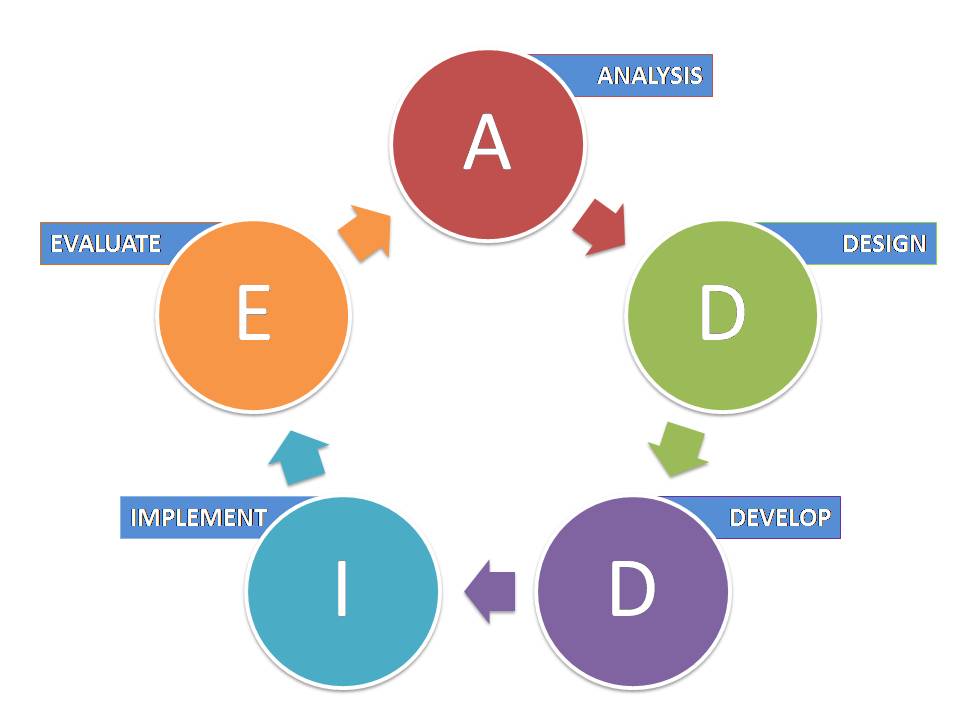
A number of Sales Managers complain that their sales teams don’t meet their monthly sales targets and this issue can be addressed by conducting a product training or a selling skills workshop. And they want this training program to be conducted as soon as possible so that their teams start performing and achieving their targets. Most of Training professionals come across such demands of quick training sessions which will address all the worries of sales managers and transform their teams into super performers. A number of Trainers do think the same and fall in this trap that training is an answer to all performance issues. First they need to understand till the time the real problem is not identified; proposing a training solution or an intervention can be very expensive and fruitless. Now question arises that how can we know what kind of training programs do we need to address the performance issues and what could be other interventions to address the issues? In this post I will explain how can an effective Training Need Analysis help to identify the real training issues in a systematic way and going forward linking training interventions to the overall organizational objectives? Training Need Analysis: TNA is the process of determining and ordering training goals, measuring training needs and deciding on priorities for training action. Training can’t fill all the performance gaps, but a TNA will identify any gaps that can be filled by training. Following are reasons for conducting the TNA: To determine what training is relevant to your employee’s job To determine the required level of skill/knowledge and the current level of skill/knowledge To determine if the training will make a difference To identify the most appropriate training to bridge the gap. Effective training starts with good diagnose. To measure and assess the benefits of the training. To prioritize the training to fill the performance gaps. Role of Training Need Analysis in the Training Cycle: Training Need Analysis directly influences the other steps of the training cycle. Analysis: The systematic process to analyze the training requirements in relations to issues affecting the business performance. Design: The design phase deals with defining the learning objectives, delivery formats, assessment tools, content, activities, subject matter analysis, and lesson planning. Development: The development phase deals with creation of the course materials based on Design phase. Implementation: During implementation the plan is put into action. Training with course content is delivered/ distributed to the trainees and trainee’s understanding is checked. The Evaluation forms are collected from the trainees to evaluate the effectiveness of the training program. Evaluation: Evaluating the employee/team performance before and after training as without evaluation we will not know whether the training has had the desired results. The training cycle may go haywire if the first step (i.e. Analysis) of the training cycle is not done properly as the other steps of the learning process are dependent upon the outcomes of the analysis. While we conduct a TNA, the gathered information plays an important role in determining the training design & development, implementation and evaluation process. Improper information leads to ill designed training to address the performance issues. An effective Training Need Analysis requires following 3 different types of analysis: Organizational Analysis: It’s done to align the training with business strategy and to ensure that all the stakeholder in the organization are supportive and are on board with training initiative and adequate resources (training budget etc.) are available. The data required to conduct the organizational analysis is gathered mainly from senior and mid level managers as they are responsible for strategic planning decisions and budget allocations. Organizational analysis also tells if there is low support for training then we can have some other intervention to address the performance issue. Task Analysis: A task analysis is a four step process and it answers the question: “What does good performance look like?” It involves gathering data on specific tasks an employee must perform to finish his job and his current level of Knowledge, Skills, Behaviors and Abilities (KSBAs) required for the specific job. Understanding what employees need to accomplish in their jobs is important to understand how training can address the performance issues. The following are four steps to conduct a Task Analysis: Selecting the job to be analyzed. Preparing the list of the tasks to be performed. Validating the tasks by asking the following questions from SMEs, line managers and employee: Performance Measures: How well it must be performed? Frequency: How often is the task performed (Hourly, Daily, Weekly, etc.)? Importance: How worthy is it to the overall job? What place of importance is this task as compared to performer’s other tasks? Level of difficulty: Use a standard scale such as one to ten to capture: How hard is it? Steps: What are logical steps for performing the task? Identifying the KSBAs that should be trained to address the performance gaps. Learner Analysis: You have all heard this phrase: “Know your audience!”. It is one of those truths in life which crosses over many disciplines. If you are selling a product you are taught to know the needs of the customer, similarly if you are designing a training program you need to know your learner. Learner Analysis helps us to understand whether the performance deficiencies are due to lack of KSBAs or due to lack of motivation or due to work design problem. The following are the steps to conduct learner analysis For each identified target audience, select a sample of learners. The most common technique for gathering information from the learners is structured interviews. Observations and performance testing can also be used. While you interview learners take careful notes of the responses without any biasness. Gather any existing data which is available for the each of the learner. It may be their educational back ground, their experience, employment statistics, their KRA’s & KPI’s, performance appraisals etc. I am sure this post will help you to conduct an effective Training Need Analysis to know… Continue reading How to Conduct an Effective Training Need Analysis?

Life Lessons from Dr. APJ Abdul Kalam

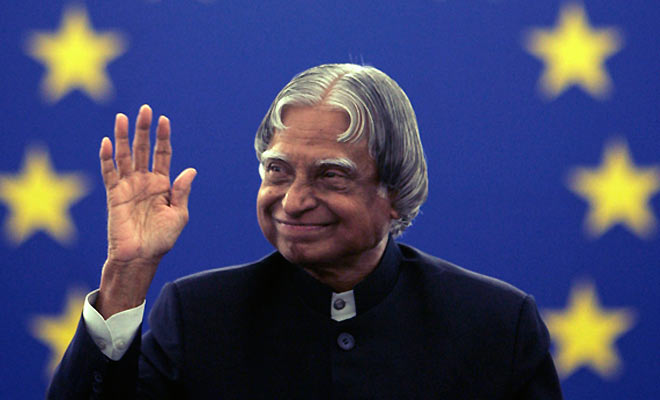
It was around 7:40 pm when my wife told me about demise of Dr. APJ Abdul Kalam. I thought she must have seen the picture circulating on various social media wherein Jharkahnd Education Minister paid floral tribute to Dr. Kalam thinking he’s no more and I ignored the news. I was having dinner when I switched on to TimesNow news channels and was shocked to know whatever my wife had told was true and Dr. Kalam was no more. It was very sad news as Dr. APJ Abdul Kalam was such a big role model and inspiration for millions of people for his simplicity, humbleness and dedication towards our nation and its people. There are following life lessons we can learn from Dr. Kalam: Give Back to the Society: If you have achieved something in your lives, give something back to the society as not everyone is as blessed as you are. You need not to have a lot of money to be able to give donations to the NGOs. You can give back to the society by raising your kids well, by volunteer to help children, by providing food and shlter to someone in need and by suing your skills and teaching other. Children provide us the best opportunity to give back to the society. Learn to Manage Failure: Dr. Dhawan was the chairman of ISRO and Dr. Kalam was the project Director for Rohini Satellite Launch in August 1979. The satellite was launched but the launch rocket fell in the Bay of Bengal after few seconds of its launch and it was a major setback to Indian Space Program. The press conference was supposed to be attended by Dr. Kalam but Prof. Dhawan took the responsibility of the failure and gave assurance to the media personnel that the mission will be completed next year. Next year, in 1980, after launching the satellite successfully into the orbit, Prof. Dhawan asked Dr. Kalam to face the media and conduct the press conference. When failure occurs a leader owns the failure and when success comes a leader gives it his team. A leader should learn how to manage failure and should take full responsibility of the failure. Have a Vision/ Dream: He once said, “Dreams are not what you see in sleep, dream is the thing which does not let you sleep”. The single most important factor to drive the human civilization ahead is our Dream. If you have a dream, nurture it with hard work and whatever circumstances never let your dreams die. People with dream move far ahead than people with none. In one of his speeches at India Parliament he recited his poem, “The Vision”: I climbed and climbed Where’s the peak, my Lord? I ploughed and ploughed Where is the knowledge treasure, my Lord? I sailed and sailed Where is the island of the peace, my Lord? Almighty bless my nation With vision and sweat resulting into happiness. Humility & Modesty: Though Dr. Kalam was awarded the highest civil award of India, the Bharat Ratna, he never liked being called Bharat Ratna Dr. APJ Abdul Kalam. He even sent circular across DRDO, India’s premier research agency, to not to refer him Bharat Ratna. For a leader the ambition should be greatness of work and people rather than the leader himself. A leader should always be humble and down to earth and should keep a low profile. Follow Your Passion: Whatever you do in your lives do with passion and the success will follow. Passion is powerful feeling of enthusiasm inside us. If you are enthusiastic and passionate about your work you will overcome many obstacles and move up in your lives. Your passion helps you to improve and get better in your lives. Don’t be victim of your situations. Find something you love to do so much you can’t wait for sun to rise to do it all again. RIP Dr. APJ Abdul Kalam.

How to Wake Up Early?

I am an early riser and a number of friends ask me how to wake up early? In this post I’ll share the benefits of waking up early and some  very simple nut powerful way which will help you in waking up early in the morning. There’s one common trait found in all successful people world over- they all are early risers and they start their day when most of others are still sleeping in their beds. Waking up early is amongst the most important lessons I learnt from my parents (Click here to read). We are living in an era where people love to watch TV and surf internet till late and these days there are not many early risers. I am not saying people who are not early risers are not successful but there are a number of benefits on early risers can avail. Following are the benefits for early risers: Exercise: Mornings are the best time to exercise in fresh air. A brisk morning walk of 45-50 minutes is considered one of the best exercises for human beings. Regular exercise improves fitness, provides energy for the whole day, boosts mood and helps with deep sleep cycles. Explore Nature’s Beauty: Watching rising sun and birds flying in large numbers is amongst the best feasts of the nature. There’s nothing more beautiful than the loveliness of the woods before sunrise. Breakfast: A number of daily commuters on Delhi roads can be seen having their breakfasts in their cars as they don’t get time for most important work of the day i.e. to have breakfast. And if their mothers/wives/cooks too wake up late they leave for office without having breakfast after fasting for whole night. People who wake up early get ample time to have a healthy breakfast which will supply sufficient energy to work whole day Develop a Positive Mental Attitude: Osho once said, “Morning is the best time to meditate. After the whole night’s rest you are very close to the center of your being. It is easier to move into the center consciously early in the morning than at any other time — because for the whole night you have been there at the center, you have just left it. Deep sleep rejuvenates because, although unconsciously, you enter into the core of your being — but you still enter. All the tiredness of the outside world is taken away, and all the wounds are healed, and all the dust disappears. You have taken a bath; you have dived deep into your own being. So in the morning when you have just awakened and you are very close to the center… Soon the periphery will take you, will possess you; you will have to go into the world of occupations. Before you go into that external journey, have a look, so that consciously you can see who you are. This is what meditation is all about. Hence, down the ages, the morning, early morning, when the earth is awakening and the trees are awakening and the birds are awakening and the sun is awakening, when the whole atmosphere is full of awakening, you can use this situation. You can ride on this tide of awakening and you can enter into your own being, awake, alert, aware. And your whole life will be transformed. And your whole day will be transformed because then you will have a different orientation. Then you can go into the marketplace and still you will remain in contact with your inner core.” Waking up early helps you develop a positive mental attitude as you can prepare for the challenges ahead in the day. Take Advantage of Extra Time: If you wake up just one hour earlier each morning you would gain 15 days in a year and that extra one hour can make all the difference to your lives. You will commute in less congested roads and reach their offices on or before time if you start your day early. One of my colleagues, Mr. Sachit Jain at Bharti AXA, was used to reach office before time so that he can finish important work without being interrupted by anyone and leave on time in the evening. Better Family Life: You can finish your work on time by starting early and you can leave office on time and you can spend quality time with your family without worrying about any pending work. Various studies has described that early risers are more optimistic and have better family lives than night owls. It’s not very difficult to become an early riser. It’s just a matter of taking action with discipline and motivation. Following are some quick tips which can help you develop a habit to get up early in the morning and plan your day in a better way: Put Your Alarm Away From Your Bed: Don’t keep alarm near your bed as you will either shut it up or put it on snooze. If the alarm is far from your bed you will have to leave your bed to shut it. You are up now and all you need to do is stay up. Don’t Fall in 5 Minute Trap: Once you are up better jump out of the bed and go out of your bedroom. Don’t fall in 5 minute more trap as once people start snoozing usually they keep on snoozing again and again. Remember you lose when you snooze. It’s very easy to wake up at first attempt. If 6-8 hours of sleep is not sufficient then 5 more minutes are not sufficient either. People who fall in 5 minute trap usually end up waking up guilty for not waking up at the first attempt. Start With Decremental Timing: Don’t be rigid about waking up early. If u want to start waking up at 5am from your daily routine of 7am, don’t start waking up at 5am next day onwards. It should be decremental say by 15 minutes every 4th day. Your… Continue reading How to Wake Up Early?

A Thought Well Provoked!

Have you ever thought why it is important for us to continuously improve ourselves? Here’s a Thought Well Provoked and my take on what it takes to be someone’s role model. Last week I facilitated a training program for the employees of IDBI Bank at their New Delhi regional office. It was a three days training program and everything went as per the plan and all my trainees were happy. Post session a couple of trainees wanted to talk to me regarding their future plans and seek some help on how can they do better in their lives. I spoke to them one by one and helped them with my suggestions. I was happy to see enthusiasm and the way they wanted to learn new things and explore new opportunities. By the time I finished it was quite late, I left the premises in a hurry as I was to go out with my wife. On the way to metro station I called my wife to inform that I am on the way and I shall be home in about 30 minutes. It was when I noticed some of my trainees, who were having coffee at Cafe Coffee Day, waving and inviting me to join them. As I was busy over the phone call and also was in hurry hence I just waved back and kept walking towards the metro station. While I took escalators for the metro station I realized I have committed a mistake as I should have finished my phone call, gone inside the CCD, thanked them for the invitation, shared my plan for the evening and then should have excused myself. Realizing my mistake I went back, apologized for my behavior and shared the reason for my odd behavior. They seemed happy as we spoke for some time, laughed remembering some light moments of the training program. Before departing they asked me for a group photograph and we requested a CCD team member to click`. After we got the picture clicked, I thanked the CCD member and I requested one of my trainees to share the picture with me on Whatsapp and I departed for the metro station. I was in metro when I received a friend request on my Facebook account from one of them which I accepted. In next couple of minutes I saw a picture which was tagged to me with a caption, ‘with Rohit Sir..What a Gem!!!!!!’ It was a proud moment for me as one of my trainees had written such high for me. It’s been 5 days today that I got such high regards from someone and I am really happy and overwhelmed with honor, love and respect my trainees showered upon me. But there is something which is bothering me for last 5 days and I could not sleep properly. There are some questions which are continuously haunting my mind.  ‘Am I really a Gem? Am I really worth this honor, love and respect?’ I don’t have an answer to the questions and I am not sure whether there is any answer to my questions. The only thing I know is, I am not perfect and I have many limitations and I need to a long way to be able to accept such honor. A quote from great Sufi Saint Baba Sheikh Farid perfectly explains state of my mind, “Kaale Mainde Kapde Kaala Mainda Ves, Gunhee Bhareya Main Fira Lok Kahe Darvesh” (My Clothes are Black My persona is Black, I Roam Around Full of Sins Yet People Call Me a Holy Man). I want to thank all my trainees for provoking these thoughts in my mind. I promise I’ll try and transform myself into a better human being and a better professional and live as a role model and up to your expectations. God Bless!

Lessons I Learnt From My Parents

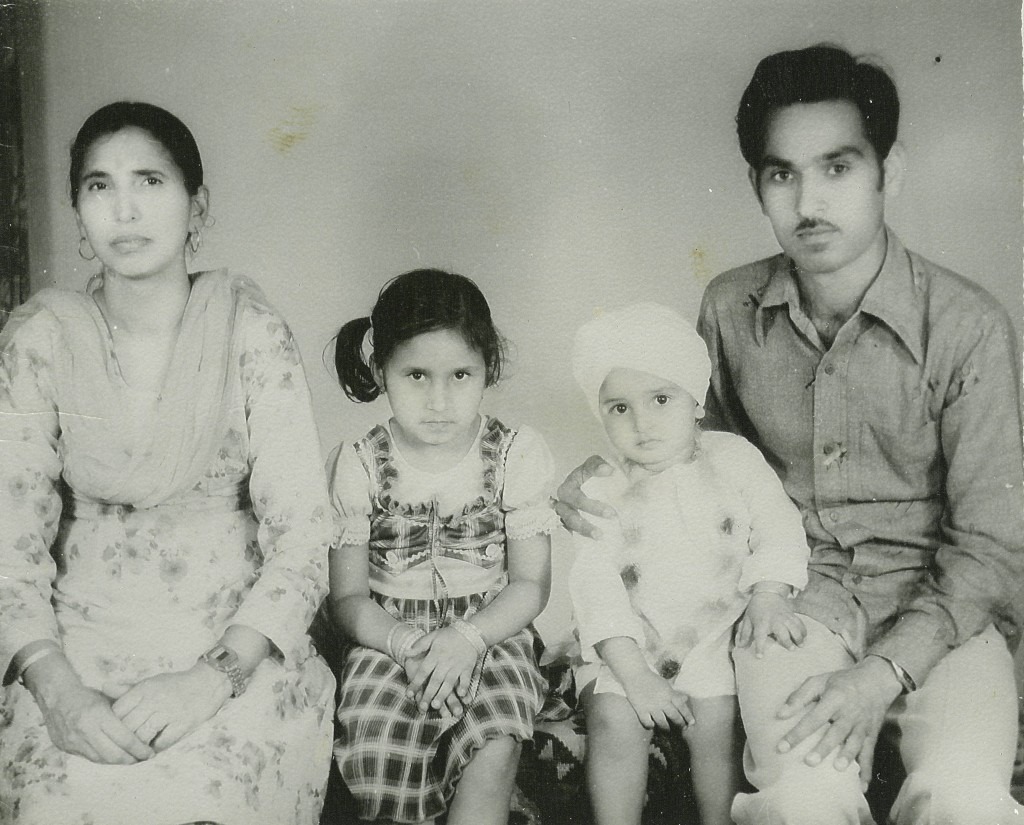
Parents are our first teachers and we learn so many lessons from them all our lives. It takes many years to earn the experience they accumulate in their lives. They are trees of wisdom and it is very important to preserve their wisdom and pass it on to the next generation. Their experience acts as a lighthouse for us and helps us to sail through many difficult situations in our lives. We all learn many lessons from my parents and then we pass on these to my kids. Following are the lessons I learnt from my parents: Honesty: Honesty is the jewel of a man and one should never leave this jewel for anything. Being honest means not to cheat, deceive, lie or steal in any way. Honest people are blessed with strength of character, peace of mind and self respect. Honest people are most loved and trusted by God. Learn to Enjoy the Little: Life is made up of small things and if you neglect to enjoy the little you have, you will miss the most in your life and someday you will realize how big those little things were. Happiness has nothing to do with luxuries and comforts of the world. Learn to be happy even when you have nothing or little. Hope: Look back on the good and look forward to the future. Life has no meaning without hope. Keep Calm: Keep calm when in difficult situations and remember sound decision can be made only with sound mind and decisions made by disturbed mind are usually disturbed decisions. Respect Elders: It is our moral duty to respect our elders. Respect them not because we all are bound to grow old but because they have successfully completed their journey till this age. And not everyone reaches that stage. Old people may have special needs and we should be caring enough to take care of all those needs. Remember they are the only reason we are part of this world. Thank them for all they have done to make our lives better. Elders love to tell their stories and share their life experiences. Listen to them and even if they are repeating their stories listen as if you are listening for the first time. Your kind words and your helping hand can make their day. Blessings of elders can make miracles happen. Pray Daily: If you want to determine God’s will, you need to spend time with him. Prayer gives you an opportunity to open your heart to God and in turn God opens his heart to you. Prayer helps in changing our heart to be more like God’s and changes us inside out. Work Hard: There is no shortcut to success. Behind every success story there are hours and hours of hard work. If you are focused and work hard to achieve your goals then nothing is impossible. Sometimes It Is Better To Be Quiet: Moments of silence can sometimes be loudest of all. You silence may help to keep the relationship going. Ignore mistakes of others and never blame them for anything. Master Your Subject: It is always better to be master of one than jack of all. If you know your subject it will help you stand out of the crowd. When you know you have performed your duty expertly it gives you sense of achievement and helps you to be more efficient and productive. You can also motivate other to be master of their subjects. Wake Up Early: Waking up early helps you to manage your time in more efficient manner. Waking up early helps to exercise, explore nature’s beauty, develop a positive mental attitude, live a better family life, plan your day in more efficient manner and to be more happy. Sleep early and sleep for 7-8 hours a day. Explore New Places: Exploring new places is part of our innate curiosity. Never let this curiosity die. Exploring new places helps us with many life experiences as we not only see new places but also see others cultures and meet new people. These are some of the lessons I learnt from my parents. Do share the lessons you have learnt from your parents. May God Bless All.

Getting Out of Fire Fighting- From Reactive to Proactive Management

In my previous post I shared 7 Strategies to Revive a dying company. In this post I will share the strategies of getting out of fire fighting mode by switching from reactive to proactive management. For a project management company it’s very important to meet the timelines and complete the project in the stipulated time. If the timelines are not met the company may face severe consequences and to avoid any financial loss many projects managers start work in fire fighting mode and often compromise the quality of the work. So what could be the best management style for a project manager? In today’s post I’ll discuss how to get out of fire fighting by being proactive from being reactive manager. Managing a project is very challenging as there are many internal as well external factors involved and it’s always difficult to control both the factors. Suppose you are doing a project, say Project A, which is nowhere near completion and your client is not giving you any extension to complete the project and pressurizes you to allocate more resources to complete the project on time. Now the management is forced to bow to your clients’ demands and call people from Project B. You also have timelines to meet for Project B and you are in fix where to focus more as new team will need some time to understand the Project A . In the process the timelines to complete Project B will be compromised. Now to meet timelines of Project B more people has to be called from Project C. A number of companies fall in this vicious cycle which forces the management to always be in fire fighting mode.Now question arises what is fire fighting? Is it something related to extinguishing fire? Fire fighting is an emergency allocation of resources required to deal with unforeseen problems. In management terms, Fire Fighting is another name of Reactive Management and is defined as reacting to unforeseen problems with a focus to somehow control the situation for the time being. If management has not foreseen or planned to handle the problem these often become hectic, stressful and a routine with no end in sight. Reactive Management happens due to poor planning, bad processes/policies or not fixing the accountability and a Project Manager will never be in able to control a situation. How can one move to Proactive Management from Reactive Management? Before I explain how to be proactive manager, we need to understand the meaning of Proactive Management. Proactive Management is basically to think ahead, foresee and plan for strategies to address expected as well as unexpected problems. Following are some simple but Powerful Strategies on How to manage Proactively and come out of Fire fighting mode: Process Management Do not take decision on the basis of your experience or intelligence. You may be a blessed manager but everyone is not. Make processes for all the business needs and follow the processes religiously and keep changing dysfunctional processes. A dysfunctional process may trigger a reactive management situation. Do thorough reviews of all the processes and make checklists for each situation. Make your team understand the importance of checklists and how these can help you keep a tap on the proceedings and take corrective measures if something goes wrong Time Management (Work Prioritization): Prioritize tasks or activities into urgent or important. Finish the critical tasks first and delegate the important activities. Important activities should be finished before they become urgent and pull you in fire fighting mode again. KAIZEN: Kaizen or continuous improvement is a long term approach to work that systematically seeks to achieve incremental changes in the processes in order to improve efficiency and quality. It is responsibility of everyone and not just selected few. Management should be open to new ideas with a focus on the solution. Ask your team members about their opinion on different issues.  

7 Strategies to Revive a Dying Company

There is so much of cut throat competition these days that many business houses operate on such small margins that even a small miscalculation or a bad decision can derail the company and it becomes very difficult for the management to revive the company and put it back on the right track. In this post I’ll share 7 strategies to revive a dying company which can help the management to turn around the company: Take Care of the Cash Flow: Showing huge profits in the books is very easy but managing steady cash flow to meet company’s day to day expenses is most important and challenging task. A company failing to manage its cash flow will not be able pay its liabilities and will be heading towards failure and ultimately closure. The first step is to take care of the cash flow. Engage the customers and resolve all the pending issues in a time bound manner. Once the issues are resolved then ask for the payment and at the same time the company may ask for more business with an assurance that no such issues will be allowed to come up in future and the client needs will be given proper attention. Money Saved is Money Earned: If the management fails to control the cost it increases the debt and then interest on the debt becomes another cost and it becomes like vicious cycle and if the management waits for too long there will hardly anything left to pay out the debts. The management should be ruthless in cost cutting and there’s nothing wrong in it whether there is a shortage of cash flow or not. As they say, ‘Every penny saved is penny earned’ and sometimes each penny saved can help pay liabilities. Shrinking the company can be more profitable than running a large but sick corporation. Prioritize Your Liabilities: Each liability is supposed to be paid back and prioritizing your liabilities will help you arrange and manage funds in a more efficient way. The Govt. liabilities should be the first to be settled on monthly basis and then vendor liabilities, employee salaries and other liabilities can be prioritized depending upon the need. Change Your Customer Base: People think firing a customer is like committing suicide as we don’t only lose a customer we also lose prospects of future business. The idea here is not to become choosy about clients but to scrutinize those who increase the productivity levels and those which cause stress. The reason could be any, non-performance, delayed timelines, delayed approvals, derailed project briefings, non-payments etc. What we have to see – where & with whom are we creating mutually beneficial environment. The attempt to get better shall be made- but the idea should be – to create healthy & beneficial associations and customer undoubtedly is the biggest stakeholder. Keep Your Employees Happy: This is amongst the most important aspects management should never ignore during crisis. Having bad morale and employees scared of being laid off is a sure shot way to closure of the company. When a company runs through a crisis so does its employees and they lose motivation to stay and perform. Only motivated employees can sail the company out of the crisis. Management should come forward and communicate their strategy and seek their help to negate the crisis. If some employees are to be laid off due to cost cutting their selection should be done on merit and not on employee’s personal rapport with management. The full & final settlement of laid off employees should be done on priority. Avoid giving high salary increment fearing losing good employees. Take them in confidence, explain marginal increments and why does every penny matter for the company. Keep Your Vendors Engaged: Your vendors are your life line and if you don’t have money and have failed several times in keeping your commitments and you are not sure when will you be able to pay to your vendors the management should keep the vendors engaged. There’s no harm in telling your vendors that the company is running through a bad phase and the company intend to return each and every penny and at this moment you need their support. My experience says your major problem will be solved and there are many vendors who may extend a helping hand during critical junctures. As and when you receive payments set aside a certain amount that you will pay back to your vendors. This will not only help you pay back your debt but also keep trust of your vendors. Getting Out of Fire Fighting: Management of a company in crisis tend to spend more time by being reactive to the problem than to foresee the problem and take appropriate actions to resolve it. Sometimes management knows about the problem but is so busy tackling other issues that it ignores the problem. When backlog of problems builds up management is forced to keep long term planning aside and tackle the problem in fire fighting mode. Such reactive management is very hectic, stressful, often inefficient and becomes a routine and management hardly gets time to foresee the problem and take appropriate actions to resolve. These 7 strategies to revive a dying company if implemented correctly can turn around the company. In my next post I’ll share some strategies to get out of fire fighting mode by switching from reactive to proactive management.

Lod Hai- ਲੋੜ ਹੈ

In 1675 Kashmiri Pandits (Hindus) led by Pandit Kirpa Ram came to seek help from Guru Tegh Bahadur for protection against atrocities of Mughal emperor Aurangzeb. They, on the advice of the Guru, told the Mughal authorities that they would willingly embrace Islam if Guru Tegh Bahadur, did the same. Guru Tegh Bahadur was arrested and taken to Delhi. Before departing to Delhi, Guru ji nominated his son Gobind Rai as next Sikh Guru. Guru Tegh Bahadur was put in chains and ordered to be tortured until he would accept Islam. But Mughals failed to make him accept Islam. For this Guru Tegh Bahadur was beheaded in public at Chandni Chowk on 11 November 1675. Guru Ji is known as “Hind Di Chadar” (The shield of India) as he saved Hinduism by sacrificing his life. On 13th April 1699, Guru Gobind Rai asked for five heads from his followers. Five Sikhs (Daya Ram, Dharam Das, Himmat Rai, Mohkam Chand, and Sahib Chand) volunteered to give their heads. He named them as Panj Pyare (The Five Loved Ones) and gave them mixture of Water, Patashas and Khanda (Double edged sword) as Amrit (“Nectar”) and gave them all the name “Singh” (Lion), and designated them collectively as Khalsa (the Pure Ones). The Guru then astounded the five and the whole assembly as he knelt and asked them to in turn initiate him as a member, on an equal footing with them in the Khalsa, thus becoming the sixth member of the new order. His name became Guru Gobind Singh. This is how the Khalsa Panth came into existence. Till date Hindu and Sikh celebrate this day with all the enthusiasm and valor. On the eve of tercentenary of Khalsa Panth in 1999, I was one of the devotees who had gone to Anadpur Sahib to celebrate tercentenary of birth of Khalsa Panth. When I reached Sri Keshgarh Sahib, I saw some Kashimri Pandits who had also come to pay tribute and seek blessings of Sikh Gurus. This was not the first time that Kasmiri Pandits had come to Anadpur Sahib to seek blessings of Guru Ji. Their forefathers had also come there to seek help from Guru Teg Baahadur to save them from Aurangzeb, around 325 years back. Then Guru Ji had sacrificed his life to save their lives and their faith. Whatever is happening there in Kashmir these days is almost the same and now there are hundreds of Aurangzebs but there is no one who can save the Kashmiri Pandits and their faith. My heart filled with pain and I pleaded to Guru Ji to come back and save the humanity. Following is the poem I wrote at one go sitting there and have not edited ever since: “Lod Hai- ਲੋੜ ਹੈ” Tin Sadiya Beetan Magro Main Ajj Phir Kashmiri Pandita Nu Anandpur Sahib De Qilae Wal Jaandea Dekhea Hai, Lagda Hai Aapniya Bodiaan Te Janaeouan Piche Ohna Nu Ajj Phir Kise ‘Teg’ De Sir Di Lod Hai. Te Eh Lod Ajay Khatam Hoyi Nahin Jaapdi Sago Hor Vadh Gayi Hai, Te Ajj Phir Itihaas Aapne Aap Nu Dohraan Te Tulea Hoyea Hai. ‘Jafarnama’ Likh Ke Kafara Nu Side Raah Paan Wala Pata Nahin Kithe Jaa Baithea Hai, Te Ajj Ohde Loka ‘ch ‘Kufarname’ Likhan Di Hod Hai. ‘Baazawalea’ Hun Ta Tere Baaz Vi Sehme Baithe Ne Titra De Dar To, Te Ajj Phir Tere Baaza Nu Teri Chamakdi Shamsheer Di Lod Hai. Jeeneya Merneya To Mukt Tere ‘Chali Mukte’ Dar Di Qaid ‘ch Ne Ajj Phir, Te Ajj Phir Ohna Nu Dar Di Qaid whicho Mukt Kervaan Di Lod Hai. Lagda Hai ‘Chandi‘ vi Ja Baithi Hai Machiware De Junglean ‘ch Shumb Nishumb De Dar To, Te Ajj Phir Teri Chandi Nu Teri ‘Chandi Di Vaar’ Di Lod Hai. O Jinha Sheesh Kalm Kerva Laye Per Kesha Nu Hath Na Laun Dita, Ajj Ohna Nidar Bahadara ‘ch Kesh Qatal Kervaan Di Hod Hai. ‘Kalgiyan Walea’ Je Aap Nahin Aana Ta Bhej De Koi Hor ‘Banda’ Dakhkhn To ‘Bahadar’ Bana Ke, Ajj Teri Singha Di Qaum Nu Bahadara Di Thod Hai. Tin Sadiyaan Beet Gayian Ne Sikha Nu Singh Banea, Kinjh Karange Tere Bajurg Singh Ehna Kashmiri Pandita Di Rakheya? Ajj Phir Ghol Ke Bhej De ‘Amrit’ Which Sanjivni Booti, Ajj Teri Singha Di Qaum nu Navi Taqat Di Lod Hai. Tin Sadiyaan Beetan Magro Main Ajj Phir Kashmiri Pandita Nu Anandpur Sahib De Qilae Wal Jaandeya Dekheya Hai, Lagda Hai Aapniya Bodiaan Te Janaeouan Piche Ohna Nu Ajj Phir Kise ‘Teg’ De Sir Di Lod Hai.